INFORMATION (Jankari)
Saturday, August 29, 2026
Thursday, April 30, 2026
The Rise of Digital Payments in India: How UPI Changed the Way We Spend
From chai stalls in Varanasi to luxury showrooms in Mumbai — a simple QR code now connects every Indian to the digital economy.
Introduction
Just a decade ago, cash was king in India. But today, scanning a QR code to pay for vegetables at your local sabzi mandi is completely normal. The Unified Payments Interface (UPI), launched by the National Payments Corporation of India (NPCI) in 2016, has completely transformed how 1.4 billion Indians handle money. It is arguably one of the most successful fintech revolutions in the world.
What Is UPI and How Does It Work?
One ID, All Banks
UPI allows users to link multiple bank accounts to a single mobile app using a Virtual Payment Address (VPA) like yourname@okaxis. Sending money is as simple as entering a UPI ID or scanning a QR code — no IFSC codes, no long account numbers. Apps like PhonePe, Google Pay, and Paytm have made this experience seamlessly smooth.
How UPI Changed Everyday Life in India
From Cities to Villages
UPI's biggest achievement is financial inclusion. Farmers in rural Uttar Pradesh, auto-rickshaw drivers in Chennai, and street vendors in Kolkata — all now accept digital payments. Demonetisation in 2016 accelerated adoption, and post-COVID, even older generations quickly adapted to avoid cash contact.
The Small Business Revolution
For small businesses and MSMEs, UPI eliminated the need for expensive POS machines. A printed QR code stuck on a counter is enough to start accepting digital payments instantly — reducing cash-handling risks and improving bookkeeping.
Challenges That Still Remain
Despite the success, India still faces hurdles. Internet connectivity in remote areas remains patchy. Cybercrime and UPI fraud cases have risen alongside adoption. Digital literacy, especially among senior citizens, is still a concern. The government and RBI continue to work on stronger fraud protection and offline payment features via UPI Lite.
The Future: India's Digital Payment Blueprint for the World
India is now exporting its
Saturday, May 13, 2023
Skincare Routine for Healthy and Glowing Skin: Tips, Product Recommendations, and Step-by-Step Routines
Preface:
Achieving healthy and glowing skin is a common goal for many of us. A consistent skincare routine is the foundation for maintaining radiant and youthful-looking skin. In this blog, we will delve into essential skincare tips, product recommendations, and step-by-step routines to help you achieve and maintain healthy, glowing skin.Understanding Your Skin:
Before diving into a skincare routine, it's pivotal to understand your skin type. The most common skin types are oily, dry, combination, and sensitive. Each skin type requires specific products and care to address its unique requirements. Assess your skin type and choose products accordingly to ensure optimal results.Step 1: Cleanse:
Cleansing is the first step in any skincare routine. It helps remove dirt, oil, and impurities accumulated throughout the day. Use a gentle cleanser that suits your skin type. For oily skin, opt for a foaming or gel cleanser that helps control excess sebum production. Dry skin benefits from a delicate or hydrating cleanser. Apply the cleanser onto damp skin using gentle movements and wash thoroughly with lukewarm water.
Step 2: Toning:
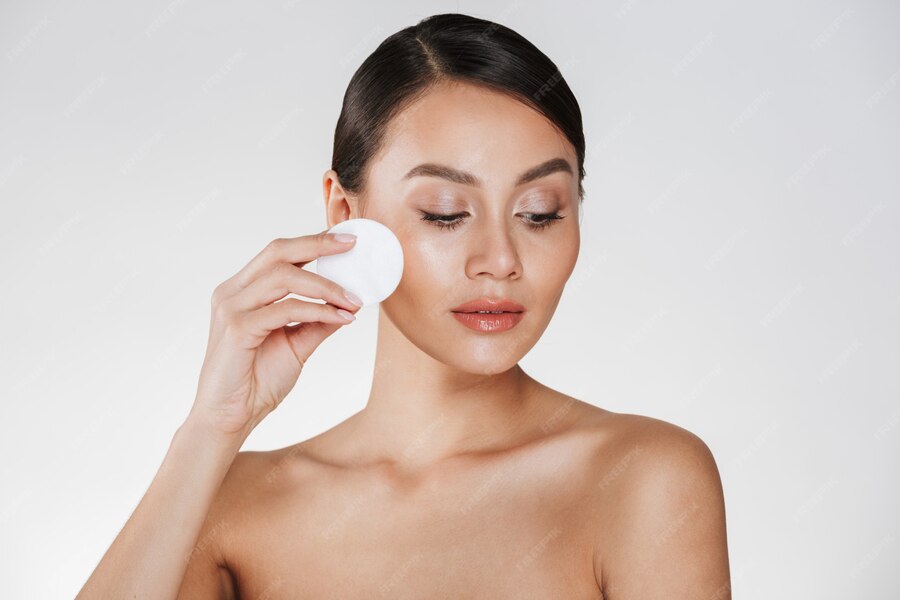
Toning is an often overlooked step, but it plays a vital part in balancing the skin's pH levels and preparing it for the upcoming skincare routine. Choose an alcohol-free toner that suits your skin type. For oily skin, look for toners with ingredients like witch hazel or tea tree oil to help control oil production. Sensitive or dry skin types benefit from hydrating toners containing ingredients like hyaluronic acid or aloe vera. Apply the toner using a cotton pad or your hands and gently pat it onto your face.Step 3: Exfoliation:
Exfoliation is pivotal for removing dead skin cells and promoting cell turnover, revealing a fresh and radiant complexion. However, it's important not to overdo it, as excessive exfoliation can lead to irritation. Use a gentle exfoliator 1-2 times a week, or as recommended for your skin type. Physical exfoliants like scrubs or brushes can be used for oily skin, while chemical exfoliants like AHAs or BHAs are more suitable for sensitive or dry skin. Apply the exfoliator onto damp skin in gentle movements and wash thoroughly.Step 4: Moisturizing:
Hydration is crucial to maintaining healthy and glowing skin. Choose a moisturizer that addresses your skin type and concerns. For oily skin, opt for oil-free or lightweight moisturizers to avoid congesting pores. Dry skin benefits from rich, nourishing creams that provide deep hydration. Apply the moisturizer to your face and neck in upward movements, allowing it to completely absorb.Step 5: Sun Protection:
Guarding your skin from harmful UV rays is essential for preventing premature aging and maintaining a healthy complexion. Apply a broad-spectrum sunscreen with an SPF of at least 30 every day, even on cloudy days. Reapply sunscreen every two hours, especially if you are exposed to the sun for extended periods. Look for lightweight, non-comedogenic formulas that will not clog your pores.Step 6: Additional Skincare Steps:
In addition to the basic routine, there are other steps you can incorporate into your skincare routine to address specific concerns.Serums and Treatments: Serums and treatments can target issues like hyperpigmentation, fine lines, or acne. Choose serums with active ingredients that address your specific concerns. Apply a few drops of serum onto clean skin and gently press it into your face and neck. Allow it to completely absorb before moving to the next step.
Eye Cream: The delicate skin around the eyes requires special care. Eye creams provide hydration and help reduce the appearance of dark circles and puffiness. Use your ring finger to dab a small amount of eye cream around the orbital bone, avoiding direct contact with the eyes.
Face Masks:
Face masks can be used once or twice a week to provide a boost of nourishment and address specific concerns. Choose masks based on your skin type and concerns, such as hydrating masks for dry skin or clay masks for oily skin. Apply an even layer of the mask to your face, leave it on for the specified time, and then wash off with lukewarm water.
Lifestyle Factors:
Skincare is not solely about the products you use; it's also influenced by lifestyle factors. Ensure you are getting enough sleep, managing stress levels, and maintaining a balanced diet rich in fruits and vegetables. Regular exercise and avoiding smoking and excessive alcohol consumption also contribute to overall skin health.
Remember, consistency is crucial when it comes to skincare. It's important to follow your skincare routine consistently and give your skin time to acclimate to the products. Monitor your skin's response and make adaptations as needed.
Conclusion:
A skincare routine customized to your skin type and concerns is essential for achieving and maintaining healthy and glowing skin. With the right tips, product recommendations, and step-by-step routines, you can nurture your skin and enhance its natural radiance. Embrace self-care and prioritize your skin's health to enjoy a beautiful and glowing complexion.Remember, each person's skin is unique, so it's important to experiment and find what works best for you. Consult with a dermatologist if you have specific skin concerns or conditions. Here's to achieving the healthy and radiant skin you deserve!
Seasonal Fashion Trends: Highlighting the Latest Fashion Trends for Each Season
Introduction:
Fashion is a dynamic and ever-evolving industry, with trends that change with the seasons. As the seasons shift, so do the colors, patterns, and styles that dominate the runways and fashion scenes. In this blog, we will delve into the latest fashion trends for each season, offering styling tips and outfit inspiration to help you stay on top of your style game throughout the year.
Spring:
Spring is a time for renewal, and fashion reflects this spirit with fresh, vibrant trends. Pastel colors are a staple for spring, and this season is no exception. Embrace shades like soft lavender, mint green, and baby blue in your wardrobe. Flowy, floral dresses and skirts are perfect for embracing the blossoming nature around you. Pair them with strappy sandals or ankle boots to create a chic look. Don't forget to accessorize with a wide-brimmed hat or a statement bag to complete your ensemble.
Summer:
Summer is all about embracing the sun, warmth, and outdoor activities. This season, bold and vibrant colors take center stage. Think sunny yellows, fiery oranges, and tropical blues. Maxi dresses are a summer staple, offering both comfort and style. Pair them with sandals or wedges for a breezy, effortless look. Jumpsuits and rompers are also great options for a playful summer vibe. Accessorize with oversized sunglasses, a straw hat, and colorful statement jewelry to elevate your summer outfits.
Autumn/Fall:
As the leaves change colors, so does the fashion landscape. Autumn calls for warm, earthy tones such as deep browns, rich burgundies, and burnt oranges. This season, embrace cozy knitwear, layering pieces, and textures. Sweaters paired with high-waisted jeans or skirts create a chic and effortless look. Add a leather jacket or a trench coat for extra style and warmth. Don't forget to accessorize with ankle boots, scarves, and a crossbody bag to complete your autumn outfits.
Winter:
Winter fashion is all about embracing the cold weather while staying stylish and warm. Classic colors like black, gray, and navy dominate this season's trends. Invest in a statement coat that not only keeps you cozy but also elevates your outfit. Pair it with slim-fit trousers or jeans and knee-high boots for a sophisticated look. Layering is key during winter, so experiment with chunky knit sweaters, turtlenecks, and scarves to create stylish and functional ensembles. Complete your winter look with a beanie and a structured handbag.
Transitional Seasons (Spring and Autumn):
Spring and autumn are transitional seasons when the weather can be unpredictable. Layering becomes essential during these times. Invest in lightweight jackets, cardigans, and blazers that you can easily take off or put on as the temperature changes. Play with contrasting textures and mix and match your summer and winter pieces to create unique and stylish outfits. Don't be afraid to experiment with different patterns and colors to add interest to your transitional season looks.
Conclusion:
Fashion trends come and go, but by staying informed and adapting them to suit your personal style, you can always look effortlessly fashionable and on-trend throughout the year. Whether it's spring, summer, autumn, or winter, each season brings its own unique fashion trends and styling opportunities. By following these guidelines and incorporating them into your wardrobe, you can create stunning outfits that reflect the spirit of each season.
Remember . It's about expressing your personality and feeling confident in what you wear. Use the latest fashion trends as a source of inspiration and adapt them to suit your individual style. Experiment with different colors, patterns, and accessories to create looks that are uniquely you.
Additionally, Fashion is all about self-expression and embracing your creativity. Mix and match different pieces, play with textures, and add your personal touch to create standout outfits.
Lastly, keep in mind that fashion should also be sustainable and eco-friendly. Consider investing in timeless pieces that can be worn beyond one season, choose high-quality materials, and support brands that prioritize ethical and sustainable practices.
Fashion is a fun and ever-changing journey, and each season offers an opportunity to refresh and revamp your style. Embrace the latest fashion trends, but always remember to stay true to yourself and your personal taste. With the right styling tips and outfit inspiration, you can confidently navigate through the seasons, looking effortlessly chic and fashionable all year round.
As the seasons change, so does fashion. Stay on top of the latest trends, experiment with different styles, and let your wardrobe reflect the beauty and essence of each season. From floral dresses and vibrant colors in spring to cozy knits and warm hues in autumn, embrace the seasonal fashion trends and create outfits that make a statement. With a little creativity and inspiration, you can turn every season into a fashion-forward adventure. Happy styling!
Sony Xperia 1 V: Unleashing the Power of a 90 Hz Display | Pre-order Now
Introducing the Sony Xperia 1 V, the world's first smartphone with a stunning 90 Hz display. This groundbreaking feature elevates your viewing experience to new heights, offering smoother and more fluid animations and interactions. With a higher refresh rate than traditional displays, the Xperia 1 V ensures that every swipe, scroll, and gaming session feels incredibly responsive and immersive.
The device boasts a vibrant and detailed OLED display that supports HDR, delivering stunning visuals with a wide color gamut. Whether you're streaming your favorite movies or playing graphics-intensive games, the Xperia 1 V's display brings content to life with rich colors, deep blacks, and enhanced contrast.
Under the hood, the Xperia 1 V runs on Android 8 Oreo, providing a familiar and intuitive user experience. Powered by the Qualcomm Snapdragon 835 chipset, this smartphone offers exceptional performance and seamless multitasking capabilities. You can breeze through apps, switch between tasks effortlessly, and enjoy lag-free performance even with demanding applications.
Sony's dedication to photography excellence shines through in the Xperia 1 V. Equipped with advanced camera technologies, including 5-axis gyro-EIS (electronic image stabilization) and OIS (optical image stabilization), you can capture stunningly clear and sharp photos and videos, even in challenging conditions. The triple camera setup features a 12 MP main lens for detailed and crisp shots, a 16 MP ultra-wide-angle lens for capturing expansive landscapes, and a 48 MP telephoto lens for impressive zoom capabilities.
The Xperia 1 V stands out not only for its exceptional features but also for its exquisite design. Crafted with premium materials, the device features a chamfered metal frame that adds elegance and durability. The front and back panels are made of glass, lending a sleek and sophisticated look. Additionally, the device is IP65/IP68 dust and water-resistant, providing peace of mind in various environments.
Pre-orders for the Sony Xperia 1 V are now open, and the device will be available for purchase in June. To secure your unit, make sure to visit the official Sony website, eStore, or select retail partners in Europe and Asia. The Khaki Green color option is a standout choice that reflects your unique style.
The Sony Xperia 1 V is priced at approximately 1400 EUR, making it an affordable option for those seeking a smartphone with a 90 Hz display. Don't miss out on this incredible opportunity to own a device that combines cutting-edge technology, exceptional camera capabilities, and a stunning design. Get ready to elevate your smartphone experience with the Sony Xperia 1 V.
Parineeti Chopra and Raghav Chadha's Engagement
1. Parineeti Chopra and Raghav Chadha's engagement is a beautiful story!

2. How they met and clicked is a fairy tale in itself!
3. They have been supportive of each other ever since!
4. The families have welcomed each other with open arms!
5. Here's to many more happy years ahead for this lovely couple!
Thursday, May 4, 2023
WHAT IS DEMOCRACY IN EDUCATION
Republic is generally represented as a system of voting and representation, or as expressed through a set of rights, similar as' freedom of speech', etc. To my mind, however, these represent an emphasis on process rather than underpinning principle. At it's core, republic represents a fair and indifferent distribution of power in society. A society is more popular when a person has further power to govern his or her own life as he or she sees fit. Or as I say on my home runner " a system of society and literacy where each person is suitable to rise to his or her fullest eventuality without social or fiscal encumberance, where they may express themselves completely and without reservation through art, jotting, calisthenics, invention, or indeed through their recreations or life.
" Where they're suitable to form networks of meaningful and satisfying connections with their peers, with people who partake the same interests or pursuits, the same political or religious confederations- or different interests or confederations, as the case may be." The answer to the practical question," how do we begin getting to this point pragmatically," leads to a need to enumerate the principles and practices that will lead to this result. To my discovery, there are four similar principles, each with wide- ranging and practical counteraccusations . - Autonomy- the system of education and educational coffers should be structured so as to maximize autonomy. Wherever possible, learners should be guided, and suitable to guide themselves, according to their own pretensions, purposes, objects or values. It's a recognition that, insofar as a person shares values with other members of a community, and associates with those members, it's a sharing freely accepted, of their own volition, grounded on the substantiation, reason and beliefs they find applicable.
- Diversity- the system of education and educational coffers should be structured so as to maximize autonomy. The intent and design of such a system shouldn't be to in some way make everybody the same, but rather to foster creativity and diversity among its members, so that each person in a society instantiates, and represents, a unique perspective, grounded on particular experience and sapience, constituting a precious donation to the whole. - Openness- the system of education and educational coffers should be structured so as to maximize openness. People should be suitable to freely enter and leave the system, and there ought to be a free inflow of ideas and vestiges within the system. This isn't to avert the possibility of sequestration, not to avert the possibility that groups may wish to set themselves piecemeal from the total; openness works both ways, and one ought to be suitable to conclude out as well as in. But it's rather to say that the structure of the system doesn't stymie openness, and that people aren't by some hedge shut out from the system as a whole. - Interactivity- the system of education and educational coffers should be structured so as to maximize interactivity.
This is a recognition both that literacy results from a process of absorption in a community or society, and alternate that the knowledge of that community or society, indeed that performing from individual sapience, is a product of the accretive relations of the society as a whole. Jut as a language represents the collaborative wisdom of a society, so also an sapience represented in that language is grounded on that collaborative sapience. These four principles, in my mind, constitute a concrete companion to action. When faced with, for illustration, a software selection decision, these four principles enable a medium for deciding does the software support individual autonomy, or must the individual' see'; the world a certain way to use it; does the software foster diversity, or must the person use standardized operating systems, operations, or data formats; does the software foster openness, or is access locked down behind a series of logins and other restrictions; does the software promote interactivity, or do druggies work alone or depend on centralized installations for communication? In a analogous manner, a consideration of pedagogies and educational strategies is also informed by these criteria.
Comparing the lecture with a collaborative exertion, for illustration, we see that the lecture tends to foster lower autonomy( everyone must attend) and lower diversity( everyone must watch and hear). But a lecture, under certain circumstances, may offer increased interactivity, and an open lecture( which people can leave!) enables autonomy. So we've a companion, not only as to whether to offer a lecture, but also how to ameliorate lectures. I hope these considerations are useful.
What Cloud Computing Actually Means
Cloud Computing Renting Instead Of Buying Infrastructure As A Service Platform As A Service Software As A Service Sc...
-
YOvo The other day I was asked to talk to a high academy class who was studying the US. I decided that it would be more intriguing for the ...
-
Madrid: A Movie Lover's Dream City 1. Madrid: A Movie Lover's Dream City 1. Madrid is home to a number of world-renowned movie festi...
-
GRAPHIC WARNING: The video in this story includes content that some may find disturbing. Kingston’s stepfather Hugh Oulds is struggling t...


.jpg)

.jpg)